

Largo de São Paulo, in Braga
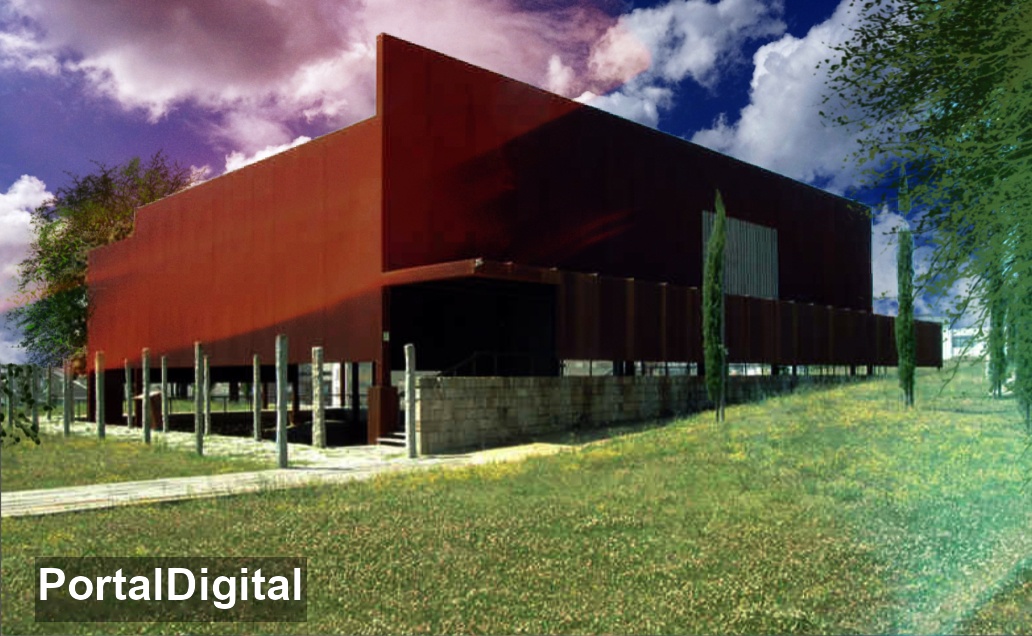
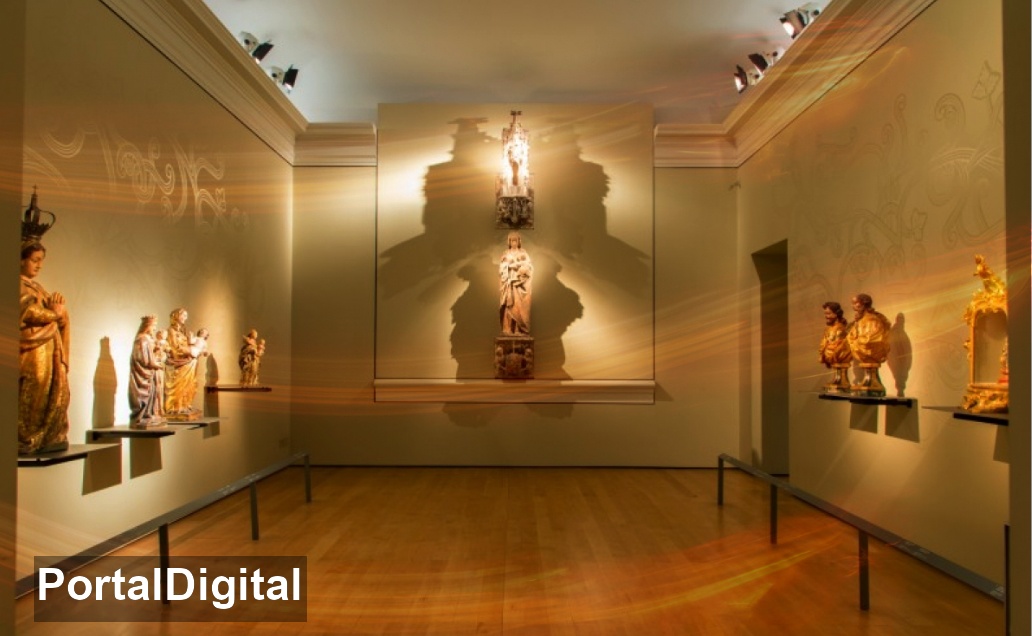
The Church of S. Paulo, or the College, is integrated into the building where the Seminary of Saints Peter and Paul and the Pius XII Museum are currently located in Braga, and was commissioned by the Society of Jesus under the auspices of Archbishop D. Frei Bartolomeu dos Mártires and the Cardinal-King of Portugal.
It was inaugurated in 1589. With a high and sober façade, ending in a triangular pediment, and surrounded by a single round-arched door, two windows and an oculus, its interior, quite deteriorated, houses a series of altars and altarpieces in baroque gilded carvings left from the Braga workshops until the third decade of this century.
In the words of Robert C. Smith, this church is the sanctuary of Braga art, where the best set of baroque art produced in Braga during the reigns of D. Pedro II and D. João V is kept.
The grand altarpiece in the main chapel is the work of the carver Tomé de Araújo (1722); that of S. Francisco Xavier is by Francisco Ferreira (1730); that of Our Lady of Good Death, already mutilated, is by Luís Vieira da Cruz (1710). The beautiful altar of the Heart of Jesus, originally of Nossa Senhora dos Prazeres, of Rococo art, is due to the carvers Marceliano de Araújo (1754) and José Álvares de Araújo (1756), who created it according to the design of the architect André Soares.
The two tile panels that adorn the walls of the main chapel, dating from the 1720s, are by an unknown author.
The statues of the four evangelists are by the carver António Pinto de Araújo.
The Sant’Iago Seminary was built by Archbishop D. Frei Bartolomeu dos Mártires for the Jesuits.
Once the Company was dissolved, Archbishop D. Gaspar de Bragança, in 1785, handed over the College to the Ursulines of Viana, who established themselves here and stayed until 1878, when it was designated as a seminary, remaining there until 1910.
The adjoining church is known as the College Church. In the so-called Jesuit Baroque style, it has a heavy and bare facade.
All that remains of the old temple of the Church of Santíago is the Capela das Chagas, which contains the tomb of the founder, Dr. Pedro da Grã (1602), and an interesting panel representing Christ crucified, a fons vitae of Braga.
Adjoined to one of the city's ancient gates, Santíago, the Chapel of Nossa Senhora da Torre is a curious example of rocaille architecture, attributed at the risk of André Soares.
It was inaugurated in 1589. With a high and sober façade, ending in a triangular pediment, and surrounded by a single round-arched door, two windows and an oculus, its interior, quite deteriorated, houses a series of altars and altarpieces in baroque gilded carvings left from the Braga workshops until the third decade of this century.
In the words of Robert C. Smith, this church is the sanctuary of Braga art, where the best set of baroque art produced in Braga during the reigns of D. Pedro II and D. João V is kept.
The grand altarpiece in the main chapel is the work of the carver Tomé de Araújo (1722); that of S. Francisco Xavier is by Francisco Ferreira (1730); that of Our Lady of Good Death, already mutilated, is by Luís Vieira da Cruz (1710). The beautiful altar of the Heart of Jesus, originally of Nossa Senhora dos Prazeres, of Rococo art, is due to the carvers Marceliano de Araújo (1754) and José Álvares de Araújo (1756), who created it according to the design of the architect André Soares.
The two tile panels that adorn the walls of the main chapel, dating from the 1720s, are by an unknown author.
The statues of the four evangelists are by the carver António Pinto de Araújo.
The Sant’Iago Seminary was built by Archbishop D. Frei Bartolomeu dos Mártires for the Jesuits.
Once the Company was dissolved, Archbishop D. Gaspar de Bragança, in 1785, handed over the College to the Ursulines of Viana, who established themselves here and stayed until 1878, when it was designated as a seminary, remaining there until 1910.
The adjoining church is known as the College Church. In the so-called Jesuit Baroque style, it has a heavy and bare facade.
All that remains of the old temple of the Church of Santíago is the Capela das Chagas, which contains the tomb of the founder, Dr. Pedro da Grã (1602), and an interesting panel representing Christ crucified, a fons vitae of Braga.
Adjoined to one of the city's ancient gates, Santíago, the Chapel of Nossa Senhora da Torre is a curious example of rocaille architecture, attributed at the risk of André Soares.