
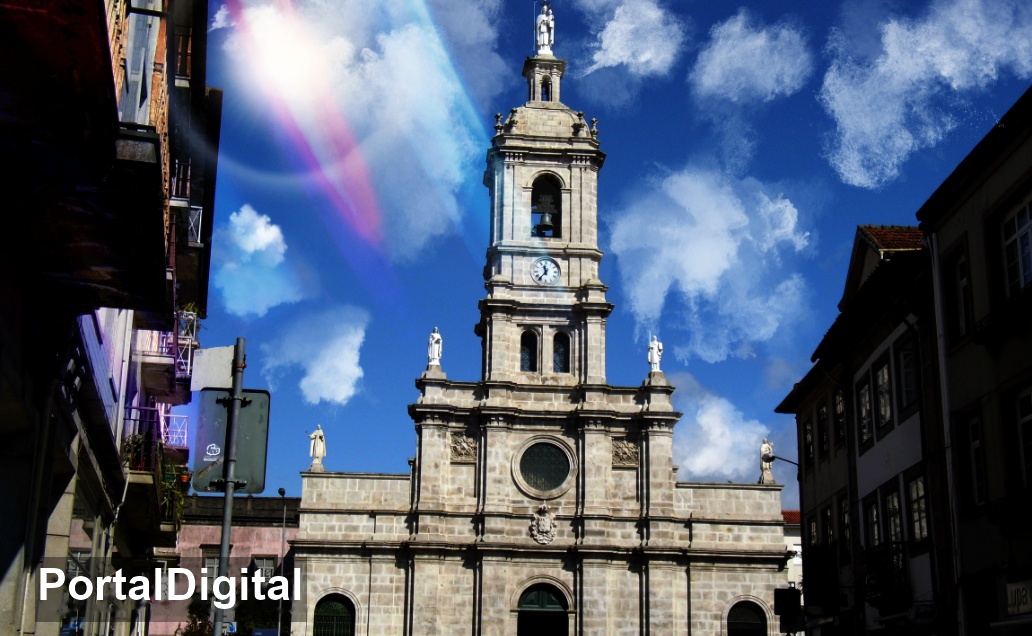
Travessa do Carmo, in Braga
The Carmo Church is located in Travessa do Carmo, parish of São Vicente, city of Braga, northern Portugal. It has mannerist, baroque, rococo, neoclassical and revivalist architecture.
Currently it is just a religious temple, but in ancient times it belonged to the Carmelite convent and was founded in 1635, at the behest of Friar José do Espírito Santo.
With the extinction of the Religious Orders, the convent came to house the military hospital, with the cloisters belonging since 1918 to Colégio do Carmo or Colégio Dublin.
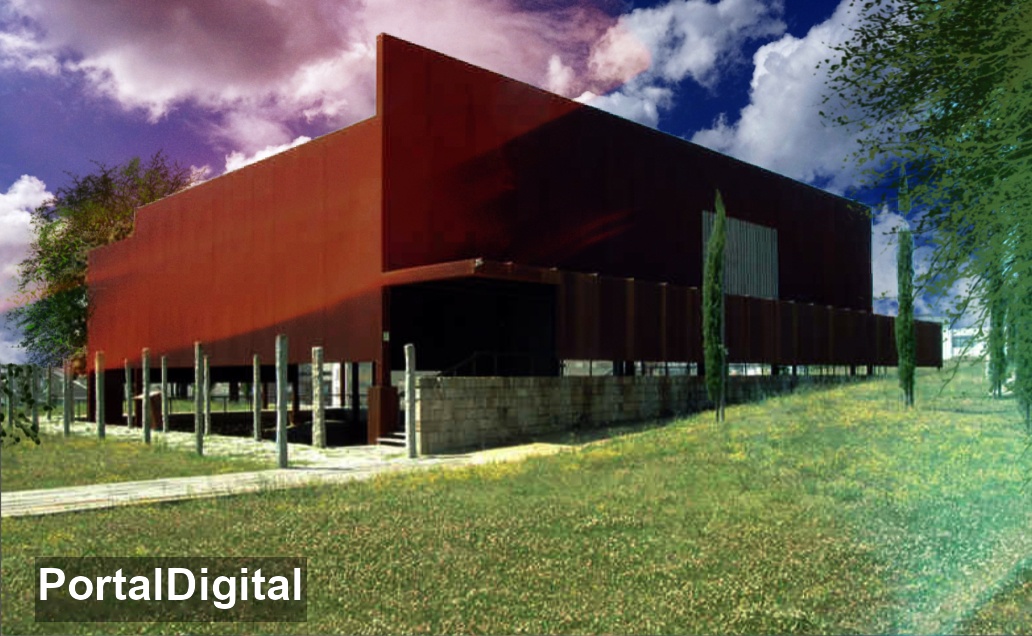
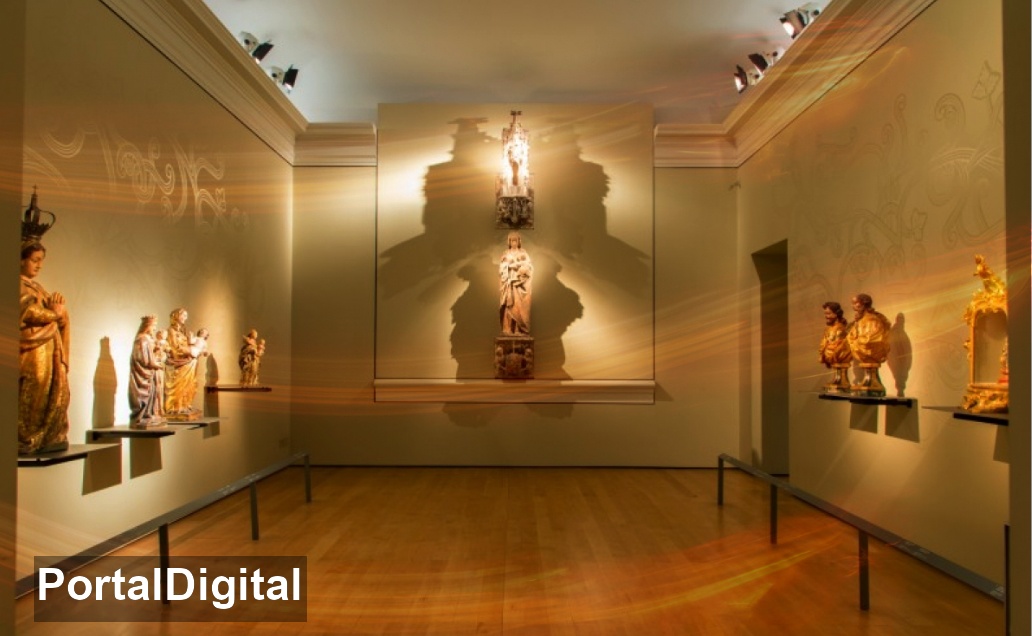
In 1963, the Discalced Carmelite Fathers returned to Braga and stayed in the premises on the east side of the church, where they remain to this day. On March 2, 2013, the Carmo Museum Center was inaugurated.
Currently it is just a religious temple, but in ancient times it belonged to the Carmelite convent and was founded in 1635, at the behest of Friar José do Espírito Santo.
With the extinction of the Religious Orders, the convent came to house the military hospital, with the cloisters belonging since 1918 to Colégio do Carmo or Colégio Dublin.
In 1963, the Discalced Carmelite Fathers returned to Braga and stayed in the premises on the east side of the church, where they remain to this day. On March 2, 2013, the Carmo Museum Center was inaugurated.
Tower
These five registers separated by double cornices are formed by the ground floor, with three round arches.
The first register has the central arch that allows access to the single nave (with endonartex), the sides gave access to the old convent dependencies and in turn to the interior of the temple.
The second register has a rose window and two relief panels with finials and the third register is formed by two large windows in a perfect arch.
The fourth is formed by the clock superimposed by the full-arch bell tower and the fifth and last ends with the tower with a lantern dome and fireworks on the corners and above the image of Our Lady of Mount Carmel.
The first register has the central arch that allows access to the single nave (with endonartex), the sides gave access to the old convent dependencies and in turn to the interior of the temple.
The second register has a rose window and two relief panels with finials and the third register is formed by two large windows in a perfect arch.
The fourth is formed by the clock superimposed by the full-arch bell tower and the fifth and last ends with the tower with a lantern dome and fireworks on the corners and above the image of Our Lady of Mount Carmel.
Cloister
The small Mannerist cloister is lined with perfect arcades topped by straight lintel windows. In the center is a baroque fountain.
Facade
The facade underwent profound changes at the beginning of the 20th century and ended up taking on a neo-baroque appearance through its five registers, based on the central tower and giving the idea of a throne with several floors.
Structure and Decoration
The plan of the church is a Latin cross formed by a single nave with four bays and two deep side chapels in the transept.
The crossing is covered by a dome with Johannine altarpieces and the endarthex is covered by a barrel vault.
The triumphal arch, which separates the rectangular chancel from the nave of the church, is made of gilded woodwork decorated with acanthus and shells and the chancel is covered by a stuccoed dome.
The coat of arms of the Central Carmelite Order can be found on the dome and on the walls are two screens that represent scenes from the life of the Order.
The neoclassical main altarpiece in gilded woodwork is recent and was created based on that of the church of Bom Jesus.
The walls are plastered and painted yellow with ashlars of 19th century industrial tiles in white and blue interrupted by granite pilasters. The baroque altarpieces in polychrome carving in white and gold, of Senhor dos Passos on the Gospel side and Senhor da Cana Verde on the Epistle side.
The nave's roof is made of lunette vaults, also made of granite, with arches delimited by four posts (the sections) and painted finials.
The high choir is based on a depressed arch with a wooden balustrade and flanked by white and gold polychrome carved corbels and phytomorphic decoration and a ridge, which is reached through the high choir.
On the corbel on the Gospel side is the large pipe organ and next to the entrance door we see the holy water fonts in pink marble.
The side chapels with gilded altarpieces are dedicated to Our Lady of Conception and Our Lady of Fátima on the Gospel side and dedicated to the Holy Family and the Baby Jesus of Prague on the Epistle side.
In the nave of the church we also see two pulpits, one on each side and in front of each other, attached to the crossing arch and access is via a helical stone staircase with the base in the transept.
The arms of the transept end in gilded altarpieces of Saint Elijah on the Gospel side, and Saint Joseph on the Epistle side.
On the Gospel side there is also the access door to the convent and on the Epistle side the Chapel of the Crucified.
The crossing is covered by a dome with Johannine altarpieces and the endarthex is covered by a barrel vault.
The triumphal arch, which separates the rectangular chancel from the nave of the church, is made of gilded woodwork decorated with acanthus and shells and the chancel is covered by a stuccoed dome.
The coat of arms of the Central Carmelite Order can be found on the dome and on the walls are two screens that represent scenes from the life of the Order.
The neoclassical main altarpiece in gilded woodwork is recent and was created based on that of the church of Bom Jesus.
The walls are plastered and painted yellow with ashlars of 19th century industrial tiles in white and blue interrupted by granite pilasters. The baroque altarpieces in polychrome carving in white and gold, of Senhor dos Passos on the Gospel side and Senhor da Cana Verde on the Epistle side.
The nave's roof is made of lunette vaults, also made of granite, with arches delimited by four posts (the sections) and painted finials.
The high choir is based on a depressed arch with a wooden balustrade and flanked by white and gold polychrome carved corbels and phytomorphic decoration and a ridge, which is reached through the high choir.
On the corbel on the Gospel side is the large pipe organ and next to the entrance door we see the holy water fonts in pink marble.
The side chapels with gilded altarpieces are dedicated to Our Lady of Conception and Our Lady of Fátima on the Gospel side and dedicated to the Holy Family and the Baby Jesus of Prague on the Epistle side.
In the nave of the church we also see two pulpits, one on each side and in front of each other, attached to the crossing arch and access is via a helical stone staircase with the base in the transept.
The arms of the transept end in gilded altarpieces of Saint Elijah on the Gospel side, and Saint Joseph on the Epistle side.
On the Gospel side there is also the access door to the convent and on the Epistle side the Chapel of the Crucified.
Classification
In 2012, this historic building entered the list of Properties of Public Interest.