
Tibães Monastery, Rua do Mosteiro, in Braga
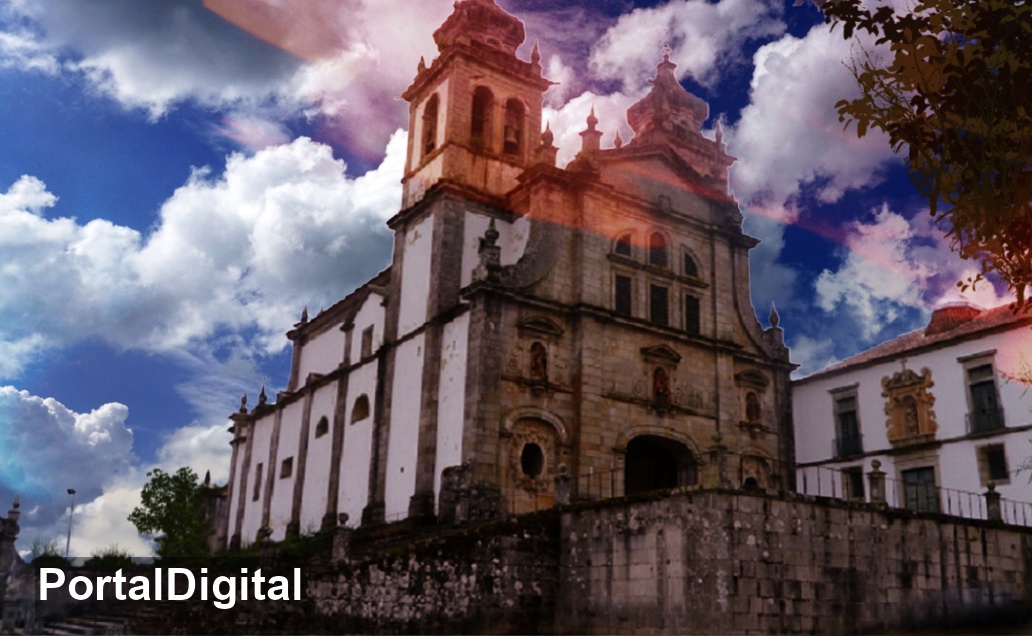
The Monastery of São Martinho de Tibães is located on Rua do Mosteiro, in the parish of Mire de Tibães, municipality of Braga, northern Portugal.
History of the Tibães Monastery
About 6 km from Braga we find the Benedictine Monastery of Tibães, and it was built on the site of an ancient Roman village called Tevilanis, and its foundation is due to São Martinho de Dume in the 17th century. VI during the Suebic reign of Theodomiro.
The Tibães Monastery is one of the oldest buildings in the city of Braga and its origins date back to the end of the 19th century. X and beginning of the century. XI.
Over time, the monastery was transformed and achieved notoriety and power in 1110 when it received the Carta de Couto (letter donating the land to the Church) from D. Henrique and D.ª Teresa, they were parents of the first King of Portugal and buried in the Cathedral of Braga.
The Tibães Monastery is one of the oldest buildings in the city of Braga and its origins date back to the end of the 19th century. X and beginning of the century. XI.
Over time, the monastery was transformed and achieved notoriety and power in 1110 when it received the Carta de Couto (letter donating the land to the Church) from D. Henrique and D.ª Teresa, they were parents of the first King of Portugal and buried in the Cathedral of Braga.
Reconstruction of the Tibães Monastery
In 1078, the knight D. Paio Guterres da Silva decided to rebuild the monastery and later, in 1567, it became the motherhouse of the Order of Saint Benedict in Portugal and Brazil.
In the century. XVII the current monument was built, one of the grandest in the country (with four cloisters) and of great decorative richness, according to the project by Manuel Álvares.
In 1834, the religious orders were extinguished and the monastery closed, and its buildings were sold at public auction, giving rise to a process of degradation and ruin that lasted decades.
However, the misfortune ended in 1986, when the Tibães Monastery was acquired by the Portuguese State, which quickly began the restoration project.
This restoration makes the Tibães Monastery a genuine work marked by time, and simultaneously a symbol of hope due to the recovery that once seemed lost.
In the century. XVII the current monument was built, one of the grandest in the country (with four cloisters) and of great decorative richness, according to the project by Manuel Álvares.
In 1834, the religious orders were extinguished and the monastery closed, and its buildings were sold at public auction, giving rise to a process of degradation and ruin that lasted decades.
However, the misfortune ended in 1986, when the Tibães Monastery was acquired by the Portuguese State, which quickly began the restoration project.
This restoration makes the Tibães Monastery a genuine work marked by time, and simultaneously a symbol of hope due to the recovery that once seemed lost.
The Characteristics of the Tibães Monastery
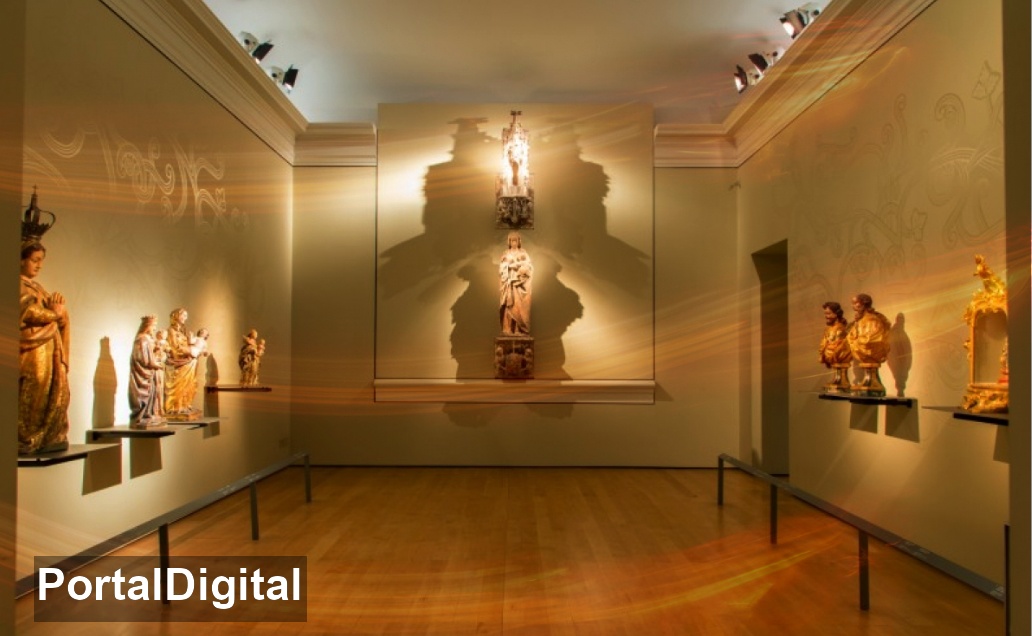
In this Monastery, the gilded carving work, the altarpieces and baroque decoration by André Soares (1750), the baroque organ (1786) and the tile examples stand out.
It was then a true decorative arts school-yard, influencing artistic development during the 17th and 18th centuries in Portugal.
The grandeur of the monastery is completed by a surrounding forest where we find an 18th century chapel dedicated to São Bento.
The Tibães Monastery functioned as a training center for architects, carvers, gilders, sculptors and many of them participated in the construction of the buildings erected in the 19th century. XVII, men respected for their extraordinary contribution to Portuguese Art.
It was then a true decorative arts school-yard, influencing artistic development during the 17th and 18th centuries in Portugal.
The grandeur of the monastery is completed by a surrounding forest where we find an 18th century chapel dedicated to São Bento.
The Tibães Monastery functioned as a training center for architects, carvers, gilders, sculptors and many of them participated in the construction of the buildings erected in the 19th century. XVII, men respected for their extraordinary contribution to Portuguese Art.