
Largo de Santiago, in the city of Braga
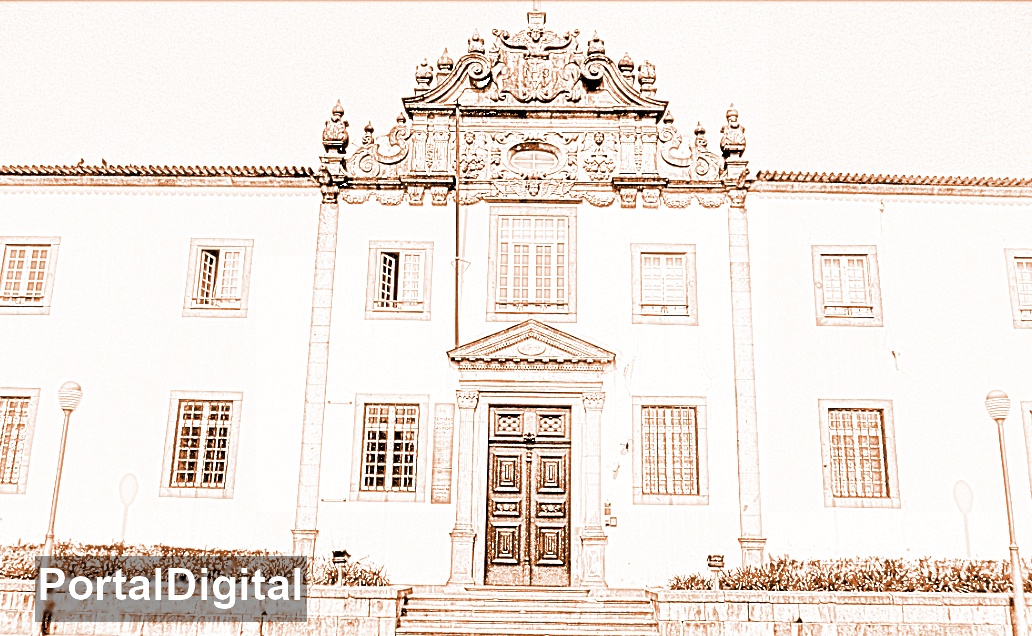
The Conciliar Seminary of São Pedro and São Paulo (also known as the Conciliar Seminary of Santiago because it is located opposite Campo de Santiago, in Braga) is an institution for the religious training of future priests, under the responsibility of the Archdiocese of Braga.
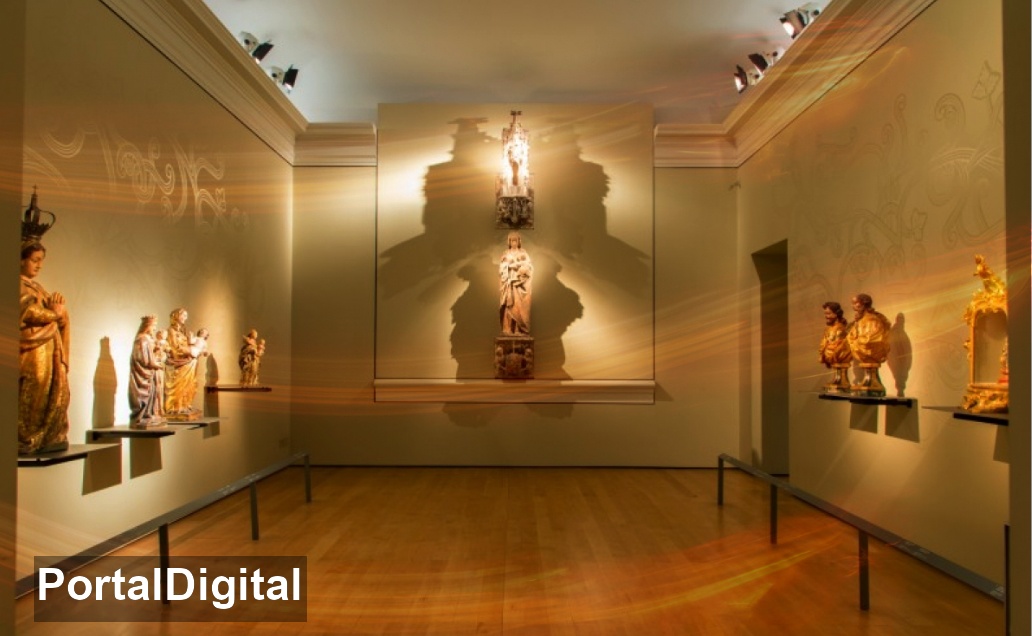
It is located in the building formerly known as Colégio de São Paulo, and of which the Church of São Paulo is an integral part. The property also houses, in the east wing, the Pius XII Museum.
It is located in the building formerly known as Colégio de São Paulo, and of which the Church of São Paulo is an integral part. The property also houses, in the east wing, the Pius XII Museum.
History of the Conciliar Seminary of Saints Peter and Paul
The Conciliar Seminary of Braga was founded by D. Frei Bartolomeu dos Mártires, following the reforms introduced by the Council of Trent (of which Frei Bartolomeu was one of the most distinguished participants).
It began by occupying, in 1571, a building ordered to be built on the south side of Campo da Vinha, with Saint Peter as its titular patron saint.
In 1881 it moved to the former Jesuit college (the current location), changing its name to the Seminário de São Pedro e São Paulo.
After the vicissitudes of the First Republic, it began to operate, from 1934, in a new building on Rua de Santa Margarida (where the Faculty of Theology of Braga is now located and also the Interdiocesan Seminary of São José).
At the turn of the millennium, he returned to Largo de Santiago. It is also called the Major Seminary, as opposed to the Seminary of Nossa Senhora da Conceição, known as the Minor, built (1923-1924) on the site of the old Recolhimento da Tamanca, on Rua de S. Domingos, and which is intended for younger seminarians who attend school at Colégio Dom Diogo de Sousa.
The Marian title comes from the enthronement of the image of the Immaculate Virgin that had belonged to the demolished chapel of the former Archbishop's Palace.
It began by occupying, in 1571, a building ordered to be built on the south side of Campo da Vinha, with Saint Peter as its titular patron saint.
In 1881 it moved to the former Jesuit college (the current location), changing its name to the Seminário de São Pedro e São Paulo.
After the vicissitudes of the First Republic, it began to operate, from 1934, in a new building on Rua de Santa Margarida (where the Faculty of Theology of Braga is now located and also the Interdiocesan Seminary of São José).
At the turn of the millennium, he returned to Largo de Santiago. It is also called the Major Seminary, as opposed to the Seminary of Nossa Senhora da Conceição, known as the Minor, built (1923-1924) on the site of the old Recolhimento da Tamanca, on Rua de S. Domingos, and which is intended for younger seminarians who attend school at Colégio Dom Diogo de Sousa.
The Marian title comes from the enthronement of the image of the Immaculate Virgin that had belonged to the demolished chapel of the former Archbishop's Palace.
Tree of Life Chapel (Interior of the Conciliar Seminary of Saints Peter and Paul)
Inside the seminary is the Tree of Life Chapel, winner of the 2011 ArchDaily award for religious building with the best architecture.
Signed by Cerejeira Fontes Arquitectos, it included the collaboration of sculptor Asbjörn Andresen.
The chapel's decorations were carried out by the painter Ilda David, and also by some artisans from Barcelos.
The chapel arose from the need to create an alternative space for the celebration of the Eucharist by seminarians
Signed by Cerejeira Fontes Arquitectos, it included the collaboration of sculptor Asbjörn Andresen.
The chapel's decorations were carried out by the painter Ilda David, and also by some artisans from Barcelos.
The chapel arose from the need to create an alternative space for the celebration of the Eucharist by seminarians